Church Architect
Torgerson Design Partners delivers creative, cost-effective architecture backed by the trust of America’s most recognizable brands.


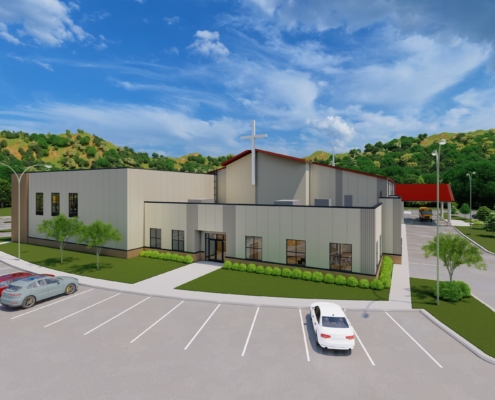
Torgerson Design Partners provides full-service architectural, design, planning, and project-management support to help religious institutions build spaces that reflect their vision and values, on time and on budget.
A church building serves not just as a physical space but as an embodiment of the congregation’s faith, vision, and community. Our team helps religious institutions incorporate stained glass, intimate alcoves, tranquil outdoor spaces, and strategic audiovisual integrations to enrich the modern worship experience.
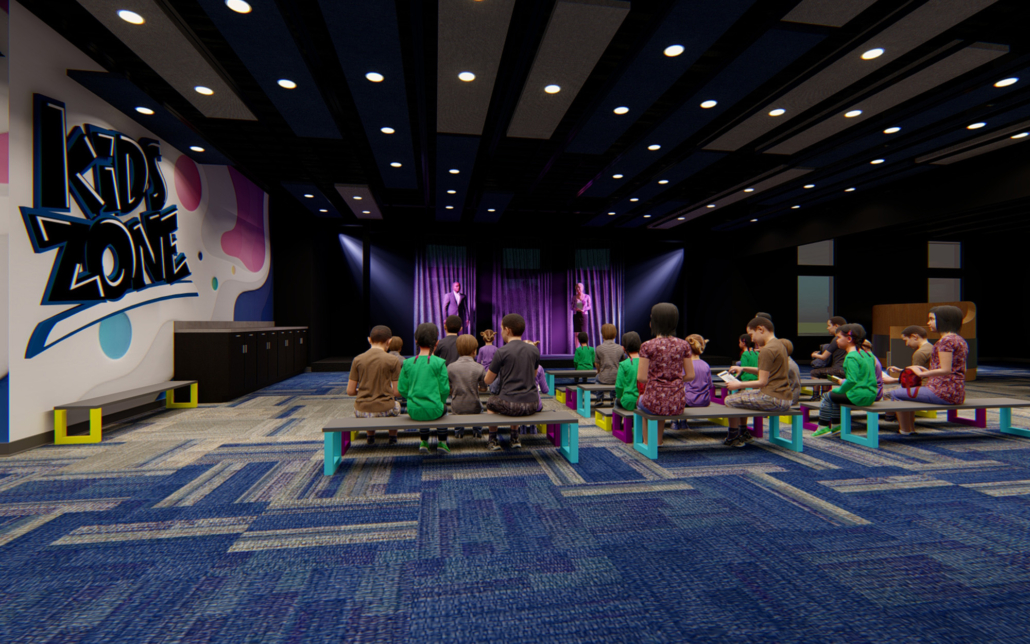
“Using their graphic designers and cutting-edge visualization techniques such as animations, high-quality renderings, and illustrated campus maps, they created everything we need to get our congregation pumped up and enthusiastic about the coming phases of renovation. So far, the campaign has been wildly successful. This is my 5th campaign in my career and this one, with their help, was by far the most successful.”
– Dr. Richard Mark Lee, Lead Pastor, The Village Baptist Church
Download our Church Facility Planning Sheet to clarify your vision, align your team, and take the first step toward a successful design.
With nearly 2,550 successful projects and decades of combined experience in religious architecture and design, our team is your trusted choice.
Years in Business
Projects Completed
Collaborative Approach
Torgerson Design Partners provides a complete suite of church architecture and design solutions for religious institutions, including:
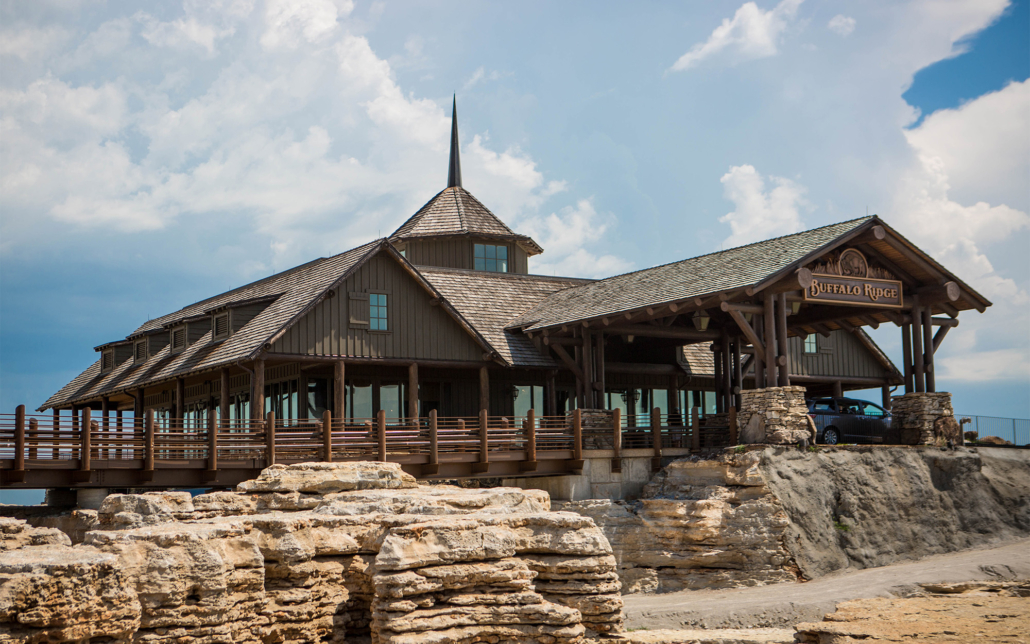
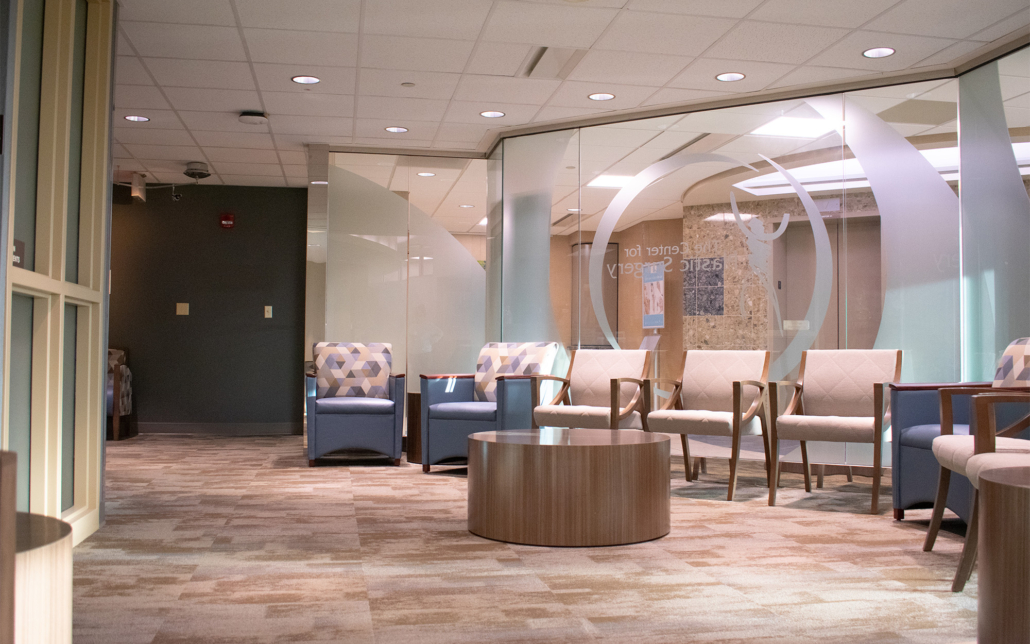

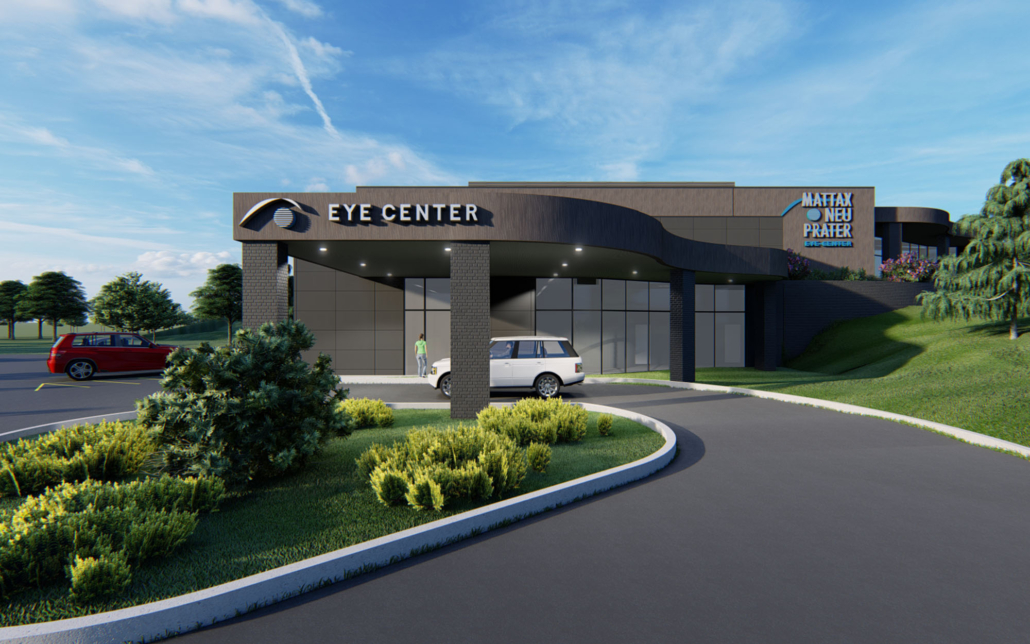

We’re proud to partner with Paragon 360 to support religious institutions and nonprofits. By combining our expertise in religious architectural design with Paragon 360’s exceptional design-build process, we ensure your project is delivered on target, on time, and within budget. This complementary approach also brings your community together, helping them connect with their faith and have enjoyable, memorable experiences in their place of worship.
At TDP, we want to help you create an inspiring sacred space that connects your community through faith. Partner with us today for leading architecture, design, management, and planning that sets your project up for success.
“Professionalism. If I was to sum it up into one word . . . that would be it. The staff has an amazing ability to listen to the vision of the client then guide them in the best direction to accomplish their desired end result. I worked with them on a business project and it was obvious that this firm not only takes pride in their work and the community but also the idea of building relationships with their clients.”
– Chief Darren White, Ozark Fire Station #2
“I am beyond delighted to have partnered with Torgerson Design Partners. Working with their team has been amazing! From beginning to end, TDP was extremely involved and worked efficiently to make sure I was happy and that the project stayed on course. I was surprised and appreciative of how involved TDP was during the bid process and all throughout construction.”
– Randy Mitchum, President and Owner, Mitchum Jewelers
What are the key elements of successful church architecture?
Successful church architecture hinges on various factors, from the overall floor plan to finishing touches such as stained-glass windows. Torgerson Design Partners emphasizes ample natural light, spatial planning that encourages community, and timeless, spiritual design to create a serene and inviting worship space.
How are acoustic considerations and design incorporated into church architecture?
Torgerson Design Partners leverages acoustic design elements to ensure optimal sound quality and distribution in church spaces. This includes the strategic placement of materials, shapes, and configurations to improve acoustics, so your congregation’s voice rings out and is heard.
What are the main architectural features of a church?
Common architectural features of a church commonly include the sanctuary or nave, altar area, chancel, and a steeple or bell tower.
Many churches incorporate symbolic elements such as stained glass, vaulted ceilings, crosses, and axial layouts that draw focus toward the altar. Functional features such as acoustics, lighting, circulation, and seating are carefully designed to support worship services, music, and congregation gatherings while reinforcing a sense of community.
What type of architecture do churches have?
Churches can reflect a wide range of architectural styles, influenced by era, tradition, and denomination.
Common styles of church architecture include Gothic, Romanesque, Baroque, Renaissance, and Modern. Older churches commonly feature stone construction, arches, and vertical emphasis. Contemporary churches use simpler forms, open plans, and modern materials. The architectural style typically supports both theological expression and practical needs like visibility, acoustics, and community use.
What is the layout of a church?
A traditional church layout is organized along a central axis, guiding attention toward the altar. Most layouts include a narthex or entry, a nave for congregational seating, side aisles, and a chancel or sanctuary at the front.
Some churches include transepts forming a cross shape. Modern churches may use flexible layouts with multipurpose seating, stages, and adjacent fellowship or education spaces to support different ministry activities.
What is church architecture called?
Church architecture is commonly referred to as ecclesiastical architecture. This term describes the design and construction of buildings used for Christian worship, including churches, cathedrals, chapels, and basilicas.
Ecclesiastical architecture focuses on symbolic form, spiritual meaning, and functional requirements like worship flow, acoustics, and gathering space. It is also designed to reflect the traditions, theology, and cultural context of the congregation it serves.
What are the three parts of the church building?
The three primary parts of a traditional church building are the narthex, nave, and sanctuary.
The narthex serves as the entry and transition space, the nave is where the congregation gathers for worship, and the sanctuary contains the altar and focal elements of the service. These areas are arranged to create a clear progression from public entry to sacred space, reinforcing both function and symbolism.
What are the different types of church arches?
Common church arch types include round, pointed, and ribbed arches.
Round arches are typical of Romanesque architecture and create a heavy, solid appearance. Pointed arches are associated with Gothic churches, allowing for greater height and light. Ribbed arches and vaults help distribute structural loads while adding visual rhythm and ornamentation, supporting both the building’s structure and its architectural character.
From design and development to project management and marketing, our team has seen it all and done it all. Explore our full portfolio to learn more about our attention to detail, customer satisfaction, and crafting long-lasting relationships.